

Pokémon Cards Collecting Service: Overview, Features and Benefits
A Pokémon card collecting service is a comprehensive partner designed to help hobbyists, casual collectors, and serious investors manage the lifecycle of their collection from cataloging to market optimization. It brings together inventory tracking, authentication, grading coordination, secure storage, insured shipping, and access to market insights so you can make informed acquisitions and timely sales without the day to day logistics. By standardizing processes and offering expert guidance, these services reduce risk, improve provenance, and help you preserve condition sensitive items while maximizing value across evolving market trends. Choosing the right partner means evaluating credentialed graders, transparent pricing, secure handling, and ongoing support, all of which contribute to peace of mind as you grow a desirable, high quality Pokémon card portfolio. Whether you are building a casual collection or pursuing high grade investments, a well structured collecting service can streamline operations, unlock liquidity, and provide reliable benchmarks for pricing and authentication.
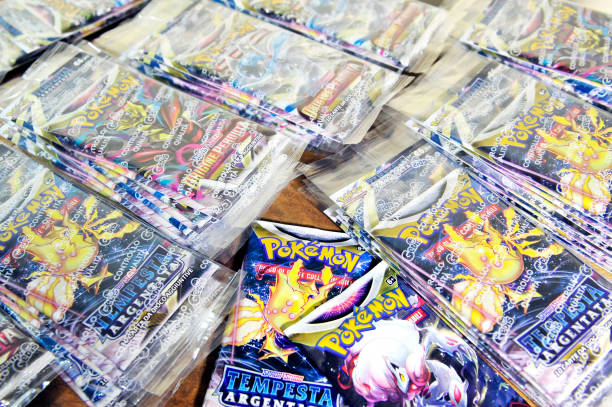
What is a Pokémon card collecting service?
A Pokémon card collecting service is a specialized support ecosystem built around the needs of modern collectors, combining operational workflows, market intelligence, and trusted third-party validation to protect the value and enjoyment of collectible cards. At its core, such a service coordinates inventory management, helping you catalog sets, variants, and conditions with consistent metadata, and then connects you with established grading partners, authentication resources, and insured shipping options—an emphasis on structure and reliability that mirrors how trust is built in other organized digital environments, such as Casino Slotsvader.
Providers typically offer tiered engagement, from basic cataloging and storage to full-service grading submissions and authentication checks, closing the loop with resale advice and liquidation planning based on current demand and historical data. The value proposition includes risk reduction through provenance verification, improved liquidity via trusted valuation and ready-to-sell inventory, and significant time savings by handling administrative tasks so collectors can focus on gameplay, strategy, or investment decisions.
Additionally, professional collecting services often provide digital dashboards, secure vault storage, and ongoing alerts about market trends, price movements, and notable sales that influence how collectors price, trade, or hold rare items. In essence, a Pokémon card collecting service acts as a bridge between passion and commerce, enabling enthusiasts to grow their collections with confidence while aligning with best practices in authentication, grading, and market analytics.
By standardizing workflows and leveraging established networks, these services help prevent common pitfalls such as counterfeit risk, misgraded cards, or inconsistent documentation that can erode long-term value. For newer collectors, the service accelerates learning, introduces trusted pricing benchmarks, and establishes habits that support responsible, long-term stewardship of a high-quality collection.
Key features of a collecting service
Core features combine to create a practical and scalable workflow for every level of collector. Authentication and grading coordination verifies card authenticity, negotiates with grading labs, and streamlines submission to produce credible grade reports. Secure storage and insured shipping provide climate conscious handling, tamper evident packaging, and carrier coverage that protects high value cards during transit and storage. Inventory and cataloging with metadata builds a digital backbone for fast searches, precise valuation, and provenance tracking. Market analytics and pricing alerts continuously monitor sales trends, grade distributions, and key market signals to guide acquisitions, trades, and liquidation timing. Client communication and transparency ensure regular updates, clear documentation of provenance and grading decisions, and straightforward service charges so you always know where you stand. Together, these features create a workflow that reduces risk and accelerates opportunities for both casual collectors and serious investors.
Authentication and grading coordination
Calibrated processes align card authentication with grading submissions, reducing delays and ensuring credible grade outcomes that boost resale confidence.
Storage and shipping security
Insured, climate controlled storage and secure packaging protect valuable items from damage and loss across the supply chain.
Cataloging and metadata
Detailed metadata, edition notes, and condition scoring enable precise valuations and rapid inventory retrieval.
Market intelligence
Ongoing trend analysis and price alerts help optimize buying and selling timing to maximize value.
Transparency and support
Clear pricing, regular progress updates, and accessible account management foster trust and long term collaboration.
Benefits for collectors (casual to investors)
Casual collectors gain ease and confidence as a collecting service handles the heavy lifting of organization, authentication, and market visibility, allowing them to expand their collections thoughtfully without becoming overwhelmed by the technical or logistical details. Because cataloging is standardized, beginners can quickly learn how to grade, assess condition, and identify limited prints, promotional cards, and chase sets, reducing missteps and helping them make informed buying choices. For moderate investors, the service supports disciplined acquisition strategies, providing valuation benchmarks, liquidity planning, and exit scenarios that align with risk tolerance, cash flow, and capital turnover. High grade or rare card owners benefit from targeted submissions, verified provenance, and insurance based storage options that preserve condition and dramatically improve resale confidence when opportunities arise in a hot market. Across the spectrum, continuous market monitoring and historical sales data empower decision making, enabling timely trades, price adjustments, and diversification strategies that improve overall portfolio performance. In short, these services scale with your ambition, transitioning you from reactive collecting to proactive portfolio management supported by data, experts, and trusted partners. By offering transparent fee structures, you can forecast costs, value retention, and potential returns, making it easier to compare this approach with self managed methods and other investment vehicles. Additionally, access to professional grading coordination can unlock higher value for items that previously traded at lower grades, enabling value realization that might not be feasible through casual or ad hoc sales. For younger or newer collectors, mentorship and access to curated recommendations from experienced staff help accelerate learning curves and cultivate confidence in long term ownership of desirable cards. Overall, the combination of risk management, market intelligence, and hands on support translates into a clearer path from collecting for enjoyment to building a defensible, appreciating asset. The right partner supports your goals with measurable milestones, clear reporting, and ongoing dialogue as markets evolve.
How to choose a reputable service
Choosing a reputable service requires careful comparison of core criteria against your priorities. To make a sound decision, compare the following criteria against your goals.
Case studies or user testimonials
Case studies illustrate tangible outcomes from partnering with a Pokémon card collecting service, showing how a structured program can translate passion into measurable value. In one scenario, a casual collector mapped a mixed modern collection, which allowed precise inventory, authenticated access to grading, and a staged approach to upgrading the portfolio, resulting in clearer provenance and improved resale confidence when markets moved up. The process reduced risk by eliminating guesswork about condition, authenticity, and edition lineage, while enabling smoother transfers to new owners or marketplaces. In another example, a mid size investor leveraged market analytics and timely grading coordination to convert dormant blocks of inventory into liquid assets during a period of rising demand, achieving faster turnover and more predictable cash flow. A vintage set with scarce variants benefited from professional authentication and documented grading history, which reassured buyers and expanded buyer pools beyond local networks. A community collector with a focus on limited releases used automated alerts and curated recommendations to participate in drops without overexposure, preserving capital while maintaining a diverse baseline. Across these cases, clients consistently cite transparent pricing, steady communication, and reliable handling as keystones of trust, which underpins repeat engagement and referrals. For readers evaluating services, these narratives demonstrate what to expect in practice: careful onboarding, consistent reporting, and the ability to unlock liquidity from cards that were previously challenging to move. Ultimately, the right partner should tailor services to your goals, provide measurable milestones, and maintain an open line of dialogue so you can track progress and adjust strategy as markets evolve.
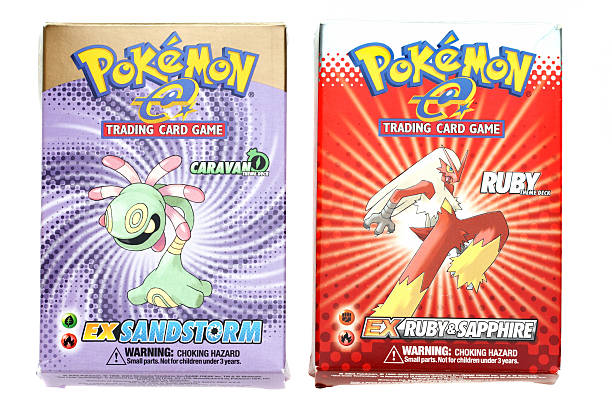
Grading, Authentication and Condition Documentation
This section dives into how modern Pokémon card grading, authentication and condition documentation influence value and market confidence. Understanding the roles of grading companies, the meaning of common grades, and the best practices for documenting card condition is essential for collectors and investors. We compare major graders, explain grade implications, and outline reliable methods to verify rare cards before purchase. Authentication and provenance help prevent fakes and misrepresented condition, while proper storage preserves future value. By combining grading with thorough documentation, collectors can navigate market trends and make informed buying and selling decisions.
Understanding grading companies (PSA, BGS, CGC)
Grading services from PSA, BGS and CGC are the industry standard for validating card condition and authenticity, each with distinct strengths and pricing.
| Company | Strengths | Typical Fees | Turnaround | Notable Policies |
|---|---|---|---|---|
| PSA | Strong market recognition, broad buyer demand, and extensive submission options. | Tiered pricing by service level and card value; modern cards typically start in the lower hundreds for expedited options. | Turnaround varies by service; standard generally 1–2 months, expedited services faster but pricier. | Offers Population Report, extensive holder labeling, and wide marketplace acceptance. |
| BGS | Subgrades provide granular condition data; clear centering and surface notes appeal to serious collectors. | Tiered pricing; subgrades add value to readability; fees depend on service and card value. | Usually 2–4 weeks for standard, with faster tiers available. | Notable for subgrades (centering, corners, edges, surface) and a distinct 10-point scale. |
| CGC | Clear labeling, tamper-evident slabs, and emphasis on autograph authentication. | Competitive, with options by service level; some variability by card type and value. | Typically 2–4 weeks for standard; expedited options offered. | Strong focus on autographs and variant labels; growing marketplace integration. |
Understanding these options helps collectors align grading decisions with market goals and price expectations.
PSA overview
PSA is the oldest and most widely recognized grading service in the Pokémon card market. It emphasizes consistent labeling, broad market acceptance and robust liquidity across a wide range of sets. Slabs are durable, and the company maintains comprehensive population reports. Service levels range from standard to expedited, influencing both turnaround time and value implications. In many markets, a PSA 10 commands the strongest resale premium, while PSA 9 remains highly desirable and widely traded.
BGS overview
BGS is notable for its subgrades and the detailed condition data they provide. The 10-point scale and subgrade cards give buyers precise insight into centering, corners, edges and surface. Subgrades help justify price differences between nearly identical cards and enable nuanced trading strategies. Turnaround is service-level dependent, and prices reflect both grade value and the desire for granular documentation. Collectors often pair BGS results with PSA data to broaden market access.
CGC overview
CGC emphasizes clear labeling and autograph verification, with a focus on tamper-evident protection and digital tracking. The lab’s approach complements traditional grades by highlighting autographs and variant listings, which can add value for prized rarities. CGC service levels balance speed with accuracy, and slabs are widely accepted in growing online marketplaces. For some sets and autograph-heavy releases, CGC pricing and liquidity can outperform other services depending on buyer preferences.
What grading scales mean (PSA 10, etc.)
Grading scales describe card condition on a numeric ladder from 1 to 10, but the interpretation can vary slightly by service despite broad commonality. A PSA 10, often called Gem Mint, signals absolute eye appeal with flawless centering and surfaces; it typically carries the highest resale premium. A PSA 9 is Mint with only minor flaws that are not visible in casual inspection yet affect value. An 8 denotes Near Mint-Mint, where subtle flaws or centering drift reduce desirability. Mid-range grades (7 and 6) capture more noticeable wear but still maintain collector interest, while lower grades reflect substantial condition issues. Some collectors also reference notation subgrades to explain why a grade sits where it does across different categories.
Authentication processes for rare cards
Rare Pokémon cards undergo a multi-layer verification process to confirm authenticity and detect alterations. Submitting to major labs for authentication often involves comparison against established templates, serial matching, and watermark checks. Independent authentication experts review inscriptions, factory print marks and print runs to prevent counterfeit or altered items from entering circulation. For high-value items, provenance records, original packaging, and purchase history are also scrutinized to build a credible trading history. Buyers should look for lab reports, certificate numbers and tamper-evident packaging when evaluating rare cards.
Condition documentation and storage best practices
Documenting and storing condition information is essential to preserve value and support resale. Follow a structured approach to cataloging, photographing, and physically protecting cards.
- Create a digital catalog with each card’s set, year, edition, current grade and any authentication notes; include submission and seal numbers where applicable.
- Capture high-resolution photos from multiple angles, focusing on corners, edges and surface texture to document present condition.
- Store cards in protective sleeves, top loaders or magnetic holders within rigid sheets or albums to prevent bending and moisture exposure.
- Maintain a stable climate and humidity level; avoid direct sunlight and temperature swings, using desiccants in storage when needed.
- Back up all documentation in a secure digital archive and reconcile physical and digital records periodically for accuracy.
With consistent documentation, you gain confidence when buying, selling and comparing cards across markets.
Costs and turnaround times
Pricing for Pokémon card grading and authentication varies by service level, card value and desired turnaround. Typical modern grading fees range from roughly $20 to $60 per card for standard service, with higher-value cards or expedited options costing more. Subgrades, autograph authentication, and multi-card bulk submissions can adjust the price further, and some labs offer volume discounts for certified dealers or collectors. Turnaround times vary by service tier and backlog; standard processing often takes several weeks to a couple of months, while express options move faster at a premium. Shipping, insurance and international handling add additional costs to the overall process.
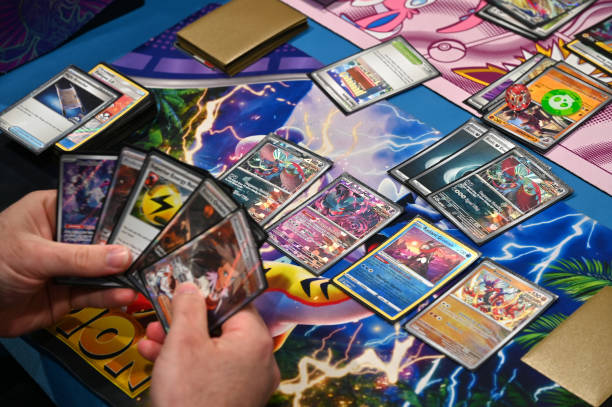
Market Trends, Price Guides and Valuation Insights
Keeping a pulse on Pokémon Cards requires tracking both broad market dynamics and the nuances of individual sets and print runs. Demand is shaped by nostalgia, collector communities, streaming unboxings, and ongoing interest from new collectors seeking exclusive promos. Price guides and valuation tools provide benchmarks, but real market prices emerge from completed sales, grading quality, and authentication status. Investors and traders watch trading activity, grading service trends, and shifts in supply from reprints or new expansions. This section covers current market trends, how to read price guides, and key valuation factors to navigate fluctuations with confidence.
Current market trends and demand drivers
The current market for Pokémon Cards blends nostalgia with active trading and renewed interest in vintage sets. Collectors and investors alike are watching completed sale data more closely, and graded cards often command a premium that reflects both condition and provenance. PSA grading and other authentication services have raised buyer confidence, expanding liquidity for high-grade items. Online marketplaces show strong volume in both raw and graded cards, while demand remains concentrated for limited print runs, first editions, and rare holofoil variants. Geographic markets vary, but momentum tends to strengthen around new expansions or reprints.
Macro demand drivers include nostalgia-driven hobby growth, social media exposure, and a steady stream of new collectors attracted by limited editions and museum-grade examples. The rise of trusted grading services and transparent authentication methods reduces perceived risk, enabling more buyers to participate. Market activity also follows releases, reprints, and price momentum that emerges from supply constraints and favorable grading outcomes.
Within niches, demand centers on specific sets and card types—first editions, misprints, promos tied to events, and holofoil cards with strong centering. Language variants and print runs create value differentials that active collectors monitor when comparing English and non-English versions. As more players join the scene, there is competitive pressure to complete high-grade collections, especially for iconic chase cards.
Regional dynamics, shipping costs, currency fluctuations, and regional tax policies can influence realized prices across markets. In the short term, social media rumors and speculation can amplify moves, but long-term value tends to follow established scarcity and demand patterns.
Price guides and how to use them
Price guides provide a snapshot of value and are useful starting points for pricing discussions. Reputable sources such as the PSA price guide, Beckett, and TCGplayer offer historical data, grading-adjusted values, and trend reports that help frame a market discussion. Be mindful that each guide uses different methodologies and time horizons, so cross-checking improves accuracy.
To read a guide effectively, identify the card exactly (set, year, edition, language, holo vs non-holo) and note the grade if applicable. Compare realized prices from completed sales, not just listed prices, and consider the impact of authentication and PSA/Beckett grades on value. Look at short- and long-term trends to separate temporary spikes from sustained appreciation.
When using guides for decision making, check multiple sources and corroborate with recent sale data from marketplaces and auction houses. Understand that guides often reflect averages and may lag behind rapid market moves, especially for high-demand chase cards. Treat price guides as directional benchmarks rather than guarantees when buying or selling.
For high-value items, supplement guides with recent auction results and dealer listings to gauge current demand and liquidity across channels. Recognize that fees, shipping, and seller premiums can shift the net result compared to listed guide values.
Factors that influence card value (rarity, print, condition, provenance)
Card value is driven by a combination of rarity, print run, and the popularity of a card within a given set. First editions, limited reprints, and scarce holofoil variations typically command stronger prices, especially when they feature striking artwork or iconic characters. Language and regional releases also create value differentials that active collectors monitor when comparing copies.
Condition is a major value lever. A near-mint or gem-minted card with clean centering, sharp corners, and pristine surfaces will outrank identical issues with wear. Grading can unlock liquidity, but the grade itself becomes part of the value so fluctuating grade standards may shift pricing over time.
Provenance and authentication add another layer of confidence. Cards with verifiable history, authenticated autographs, or certified misprints earn premium status, while counterfeit or tampered items undermine value. Market interest can also hinge on whether a card is part of a sought-after subset, tournament promo, or a widely collected character.
Beyond these basics, demand dynamics, year of issue, and the strength of the overall market can amplify or dampen prices, meaning that even well-preserved items may see slower appreciation during wider cycles of risk aversion.
Investment risks and volatility
Pokémon Card prices can be highly volatile, especially around new product drops, reprints, or shifts in grading standards. Market sentiment, media attention, and celebrity endorsements can push values up or down quickly, while long-term drivers such as rarity and demand persistence support more stable growth.
Liquidity risk exists: high-grade or rare items may move slowly if buyers hesitate or if authentication services face delays, impacting timing of sales.
Provenance and authenticity matters; misgrading or tampering can erode trust and create price distrust among buyers, even for otherwise desirable cards.
Exposure to broader market cycles means investors should diversify and avoid overconcentrating on single sets or cards, recognizing that the hobby can experience both froth and pullbacks.
Where to buy and sell (marketplaces, auctions, dealers)
There are multiple channels for trading Pokémon Cards, each offering different levels of liquidity, fees, and risk. Understanding the strengths and weaknesses of each option helps optimize both price and speed of sale.
Marketplaces such as eBay, TCGPlayer, and Troll and Toad routinely handle large volumes of raw and graded cards, with buyer protection and seller ratings helping reduce risk. When evaluating listings, check recent sold prices, not just asking prices, and pay attention to grade, edition, and language to ensure apples-to-apples comparisons.
Auctions through PWCC Auctions, Heritage Auctions, and Golden Auctions can generate strong outcomes for rare or high-grade items, but buyers should account for seller premiums, auction house fees, and shipping costs. Realized prices often differ from last-asking prices, so review realized sale data when possible.
Dealers and local shops offer exposure to immediate purchases and consignments, with convenience balanced against potentially higher net costs. Authentication and grading services can be part of the buying path, particularly for high-value items, providing extra confidence for both sides.
Practical buying and selling tips include verifying seller reputation, requesting detailed photos, using tracked and insured shipping, and factoring in grading status and provenance when negotiating price.

Plans, Pricing, Features and Special Offers
Whether you’re new to Pokémon Cards collecting or a seasoned grader, this section explains the plans, pricing, features, and promotions that power our authentication and grading services. We designed these options to support collectors, traders, and investors as they navigate Pokémon Cards market trends and strive for reliable valuation and fast, safe submissions. From basic submissions to high-volume, high-value consignments, you will find clear turnaround timelines, insured shipping, and transparent tracking. By detailing what each plan includes and how promotions work, we aim to help you decide which plan aligns with your goals in Trading Pokémon Cards and building a robust collection. All plans emphasize secure handling, proper grading for Pokémon Cards, and access to comprehensive value reports to inform investing in Pokémon Cards.
Service plans compared
Choosing a service plan depends on volume, speed, and risk tolerance. For collectors focused on growing a personal Pokémon Cards collection, a Starter or Essential tier covers basic submission handling, standard authentication checks, and entry-level insurance while keeping costs predictable. Traders submitting moderate volumes benefit from Standard tier’s faster processing, higher insurance, and more frequent status updates. High-value consignments or those pursuing PSA grading for Pokémon Cards often require Premium options that combine expedited service, enhanced authentication, and a dedicated account manager. Starter provides dependable, budget-friendly support for steady growth, while Premium and Elite give priority access and stronger protection for high-stakes cards. This tiered approach aligns with diverse goals within Pokémon Card collecting, trading, and investment strategies, ensuring you have a plan that scales with your ambitions and the evolving market.
Pricing breakdown and fees
Pricing is composed of several components: base submission fee, per-card grading fees, encapsulation costs, and insurance. The exact numbers vary by plan tier and card value, but the structure is consistent across plans to maintain transparency for Pokémon Card collecting and trading. Base submission fees cover intake, project management, and standard authentication checks. Per-card grading fees scale with service tier and the card’s rarity, assessed value, and whether a card requires special handling. Some cards may incur additional costs for PSA-grade encapsulation or special holder options. Insurance is charged as a percentage of declared value, with higher tiers offering higher limits and stronger protection against loss or damage in transit. Shipping and handling charges apply to most submissions and include insured postage, tracking, and signature on delivery when required. Hidden costs can include re-submission charges for rejected grades, rush processing fees, and fees for international shipments or return shipping. We publish all fee lines clearly in the account area before submission, and we update plans if you move between tiers or adjust insurance levels. This clarity helps keep Pokémon Card valuation and market trends front and center.
Special offers, limited-time promotions, and memberships
Seasonal promotions are tied to major card releases and market activity, offering limited-time discounts on submission fees or upgraded services. These promotions typically run for a few weeks and are announced on the site’s promotions page and through subscriber emails, giving collectors and traders a chance to accelerate their grading timelines while preserving value. Membership programs provide ongoing benefits beyond a single promotion, such as reduced per-card fees at higher tiers, priority scheduling during peak periods, and early access to authentication methods for rare or highly sought-after cards. Loyalty points can be earned on submissions and redeemed toward future services or insured shipping credits. Referral bonuses reward you for bringing new collectors into the community, with credits applied to future submissions or a discount on the next grading job. Promotions are designed to align with market trends and historical sales data, helping you maximize returns while maintaining asset quality. Limited-time bundles often combine a set of submission slots with enhanced insurance and reporting, providing tangible value without compromising grading standards. In short, promotions and memberships are crafted to support both casual hobbyists and serious traders in Pokémon Card collecting.
What’s included in each plan (turnaround times, insurance, tracking)
At the core, each plan includes standard submission intake, secure transport, and a formal report. Starter covers basic evaluation, Standard adds authentication checks and preliminary condition notes, while Premium adds expedited handling and expanded provenance documentation. Elite includes dedicated account management, personalized SLA guarantees, and live status monitoring. Turnaround times differ by tier and workflow, with Starter offering longer windows, Standard providing faster processing, Premium prioritizing high-value items, and Elite delivering the fastest possible processing under a negotiated SLA. All plans include online tracking updates as the card moves through grading, encapsulation, and final delivery. Insurance coverage scales with declared value and plan level, with higher tiers offering higher insured values and enhanced protection during transit. You receive delivery confirmations, insurance documentation, and clear instructions for filing a claim if needed. What you receive in every plan includes formal grading reports, provenance notes where available, secure packaging, and access to customer support through a dedicated portal. Optional upgrades such as PSA grading or specialized authentication certificates can be added based on your goals and card value.
How to upgrade or cancel
Upgrading is straightforward: sign in, navigate to Plans under Account Management, compare features, and select the upgrade option. You can review current submissions and apply the upgrade to the new tier, with proration applied for mid-cycle changes so you pay only for the time you used. To cancel, go to Plans, choose Cancel, and follow prompts to confirm; most accounts offer a standard notice period, after which ongoing work remains under the current plan until completion. If you have active submissions, you will be guided through how transitions affect those items to prevent disruption. If you need help, contact support or your account manager for step-by-step assistance, potential refunds, and any reallocation of services. You can also downgrade if your needs change, and we will adjust billing and timelines accordingly. Changes typically take effect from the next business day, but urgent cases can be reviewed for exceptions.